

where is home
🏠
where is home 🏠
where do I belong?
how can I survive?
what am I becoming?
🌱
🌱
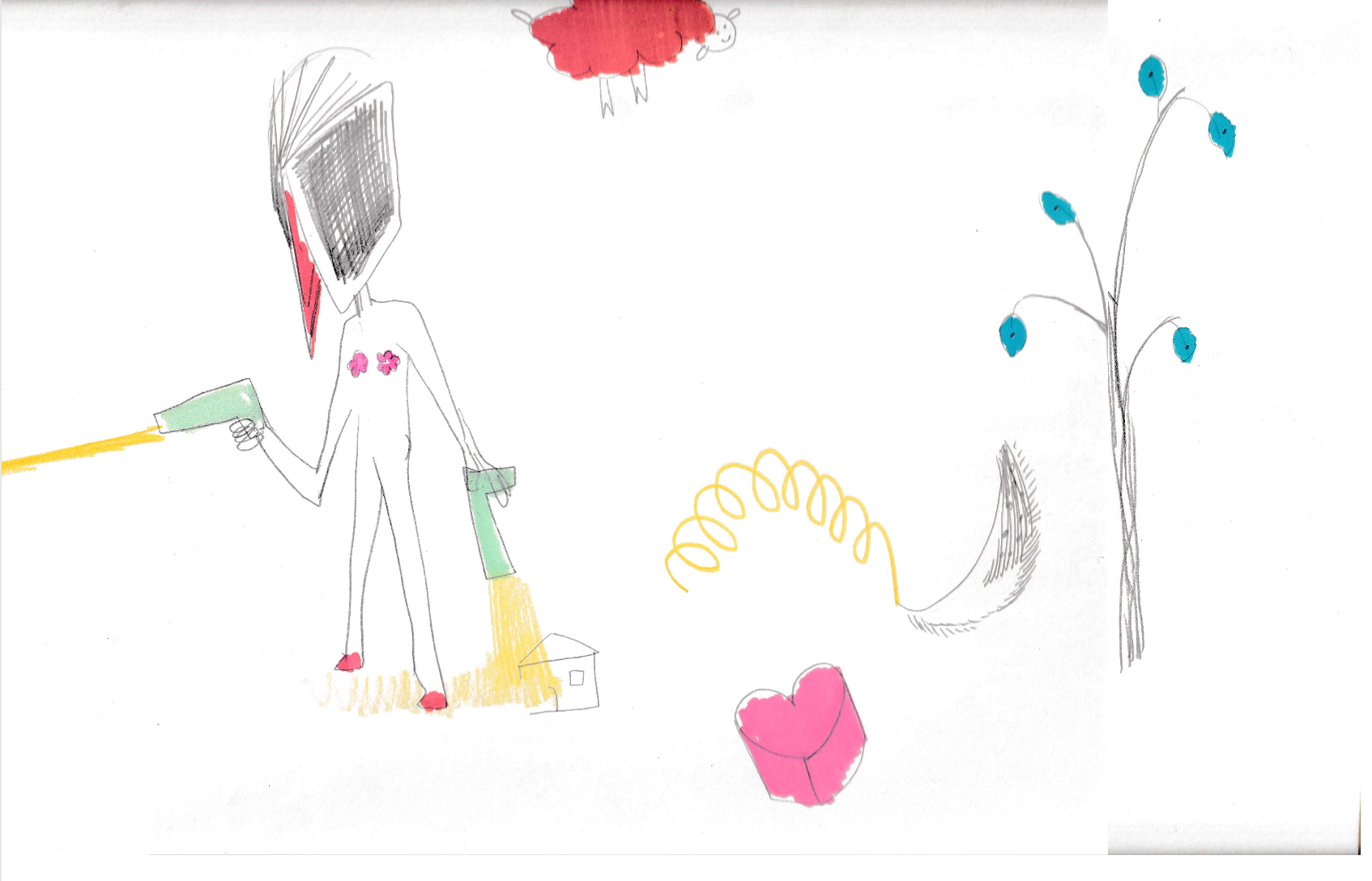
I grew up in Ordos, Inner Mongolia, where I watched grasslands gradually turn yellow and then bare. Living in an environment shaped by seasonal change and the legacy of nomadic culture, I came to understand that survival depends not on permanence but on continual adaptation. This experience continues to shape the way I think about movement, landscape, and belonging.
After fifteen years of training in traditional Chinese landscape painting, I began to question the idea of ShanShui (山水) as an idealised image of harmony or nature. For me, landscape is not a backdrop but a lived spatial condition shaped by migration, infrastructure, borders, institutions, and the movement of bodies. My work reimagines ShanShui as a contemporary terrain where ecological, social, and political forces converge.
Working across performance, painting, moving image, and installation, I use the body as both material and method. Rather than representing experience, I construct situations in which bodies, materials, and environments actively negotiate with one another, whether by eating dry grass in a moving Underground carriage, walking for twelve hours across the Kubuqi Desert, or standing with a living sheep before a government building. These actions do not symbolise an idea. They test the limits of adaptation and ask where institutional order ends and instinct begins.
Material is central to my practice. I work with ink, handmade paper, medicinal herbs, industrial residue, found objects, and elements gathered from everyday environments. Carrying their own histories of transformation, erosion, and displacement, these materials become collaborators rather than passive mediums. Through them, I explore how bodies and identities are continually reshaped through movement across places, languages, and systems of power.
My work does not seek to resolve these tensions. Instead, it creates situations in which uncertainty can be experienced rather than explained. I am interested in what the body remembers when language falls away, what remains when familiar structures begin to shift, and how belonging might be understood not as a destination but as an ongoing process of negotiation and becoming.